A beautiful lawn is a hungry lawn. To maintain that deep, emerald green color and the carpet-like thickness that homeowners desire, your grass requires a consistent supply of essential nutrients. In Central Georgia, our red clay and sandy soils often lack the necessary balance of Nitrogen (N), Phosphorus (P), and Potassium (K) to support high-performance turfgrass. This is where Sanderscapes Landscaping steps in.
We don't just "spread fertilizer." We implement a science-based nutrition program that addresses the specific biological needs of your grass. Whether you have Bermuda, Zoysia, St. Augustine, or Centipede grass, each variety has a unique "diet" that changes based on the season and the soil's pH level.
Understanding fertilizer starts with the three numbers on the bag, and our experts know exactly how to balance them:
At Sanderscapes, we begin by evaluating the current state of your yard. We look for signs of nutrient deficiency, such as yellowing blades or thinning patches.
Soil Analysis and pH BalancingIn many parts of Warner Robins and Macon, the soil can become too acidic. When this happens, your grass can’t actually "eat" the fertilizer you give it—the nutrients stay locked in the soil. We provide lime treatments when necessary to balance the pH, ensuring that every ounce of fertilizer we apply is actually absorbed and utilized by your grass.
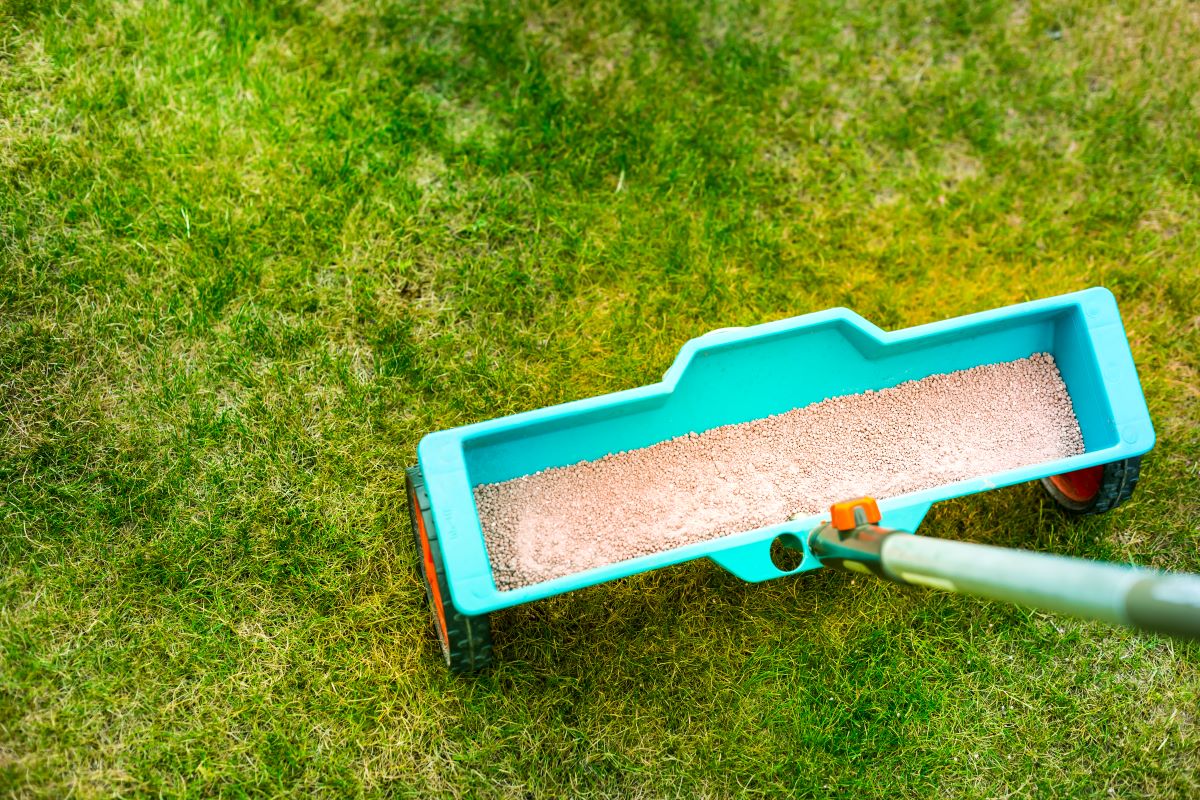
Slow-Release TechnologyWe prioritize the use of high-quality, slow-release fertilizers. Unlike cheap, liquid fertilizers that provide a quick surge of growth followed by a "crash," our granular, slow-release formulas provide a steady stream of nutrients over several weeks. This results in more consistent color, stronger roots, and less frequent mowing requirements.
The timing of fertilization is just as important as the product itself. Applying the wrong fertilizer at the wrong time can actually damage your lawn or encourage weed growth.
Beyond just looking good, a properly fertilized lawn offers several functional benefits:
We take our responsibility to the Georgia environment seriously. Over-fertilizing can lead to nutrient runoff into our local waterways. Our technicians are trained in "Best Management Practices," ensuring that we apply only what your lawn can absorb. We use precision equipment to keep fertilizer on your grass and off your driveways, sidewalks, and street drains.
When you choose Sanderscapes Landscaping for your fertilization needs, you aren't just getting a service; you're getting a dedicated team of lawn care professionals. We monitor your lawn's progress at every visit, adjusting our formulas to match the changing weather and soil conditions. We are committed to building long-term relationships with our clients in Byron, Warner Robins, and beyond by delivering results you can actually see.
We usually recommend watering your lawn within 24 hours of a granular application to help move the nutrients into the soil.
For the best results in Central Georgia, we recommend a 6 to 8-step program throughout the year.
Fertilizer feeds the grass, not the weeds, but we often combine fertilization with weed control for a complete solution.
This could be due to a pH imbalance or a fungus. Our experts will diagnose the issue and adjust the treatment.
Yes. We use professional-grade, slow-release formulas that provide more consistent results and better value than generic retail products.

.webp)
.webp)
.webp)